 deutsch
  deutsch (CH)
  deutsch (AT)
  russisch
  englisch
  rumänisch
  italienisch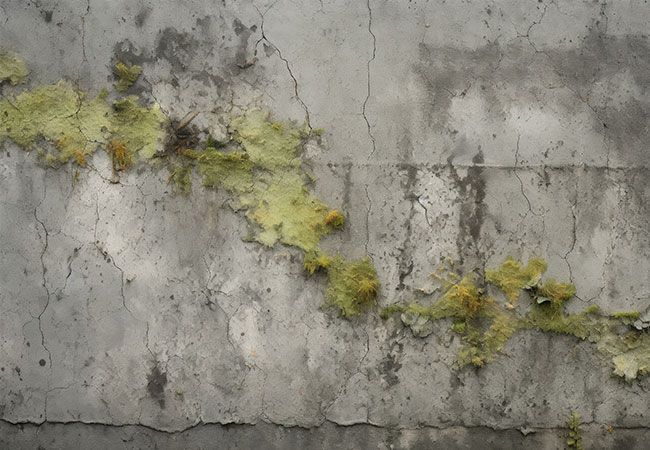
Mold on the walls – identify the causes and act effectively
Mold on the interior or basement walls is a serious problem that many homeowners are familiar with. In addition to unpleasant stains and musty odours, it can also affect the indoor air quality and thus limit the well-being of the residents. One possible cause is moisture in the walls. This can lead to the formation of dew points and condensation moisture and subsequently promote the development of mould.
Why does mold appear on the walls?
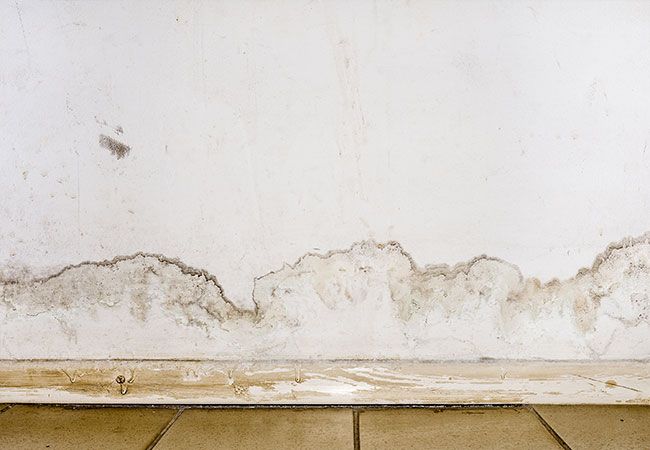
Above all, moulds need moisture to spread. If the masonry is damp due to rising moisture or leaks, the risk of mould formation increases significantly. Basement and ground floor areas are often particularly affected, but living spaces can also be affected by damp walls.
How the Drymat system can help
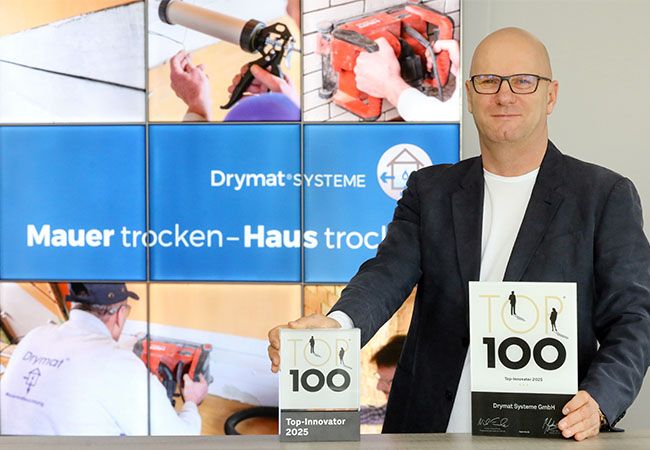
The drymat system dries the masonry by an electrophysical process. If the masonry becomes dry again, the indoor climate improves noticeably and the basis for mould growth is removed. In addition, dry masonry has better thermal insulation – which can also have a positive effect on the energy consumption of the building.
-
Causes of moisture in the masonry are carefully reduced
-
Mold infestation can be contained or prevented as a result
-
Better indoor climate and a more pleasant feeling of living
-
Dry masonry has a more insulating effect and can save heating energy
Homeowners who previously struggled with mold infestation report significantly improved air quality and rooms that became usable again after drying the masonry with Drymat. The short execution time of one to two days with little structural intervention and little impairment is emphasized. Due to the waterproofing level below the building, basement and foundation floors are also covered, which leads to a reduction in moisture in the floor area.
Use free damage analysis
If you also notice mould on the walls, you can get an initial non-binding assessment with our online damage analysis. Simply specify the affected areas and find out in just a few steps what the options are.
Start your free moisture check
An expert appointment in just 60 seconds
About Drymat
Drymat is one of the leading companies in the field of masonry drying. With more than 25 years of experience, our customers rely on Drymat's expertise.

Contact
-
- Address
- Dresdner Straße 24, 09577 Niederwiesa
- Phone
- info@drymat.de
-
- Opening hours
- Mon-Fri: 08:00 - 15:00